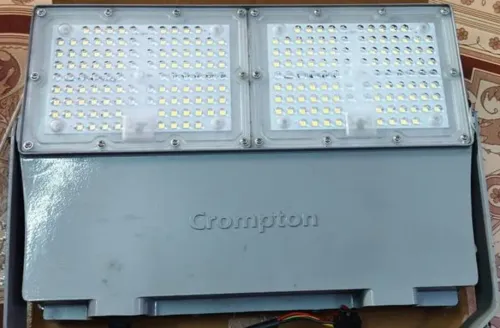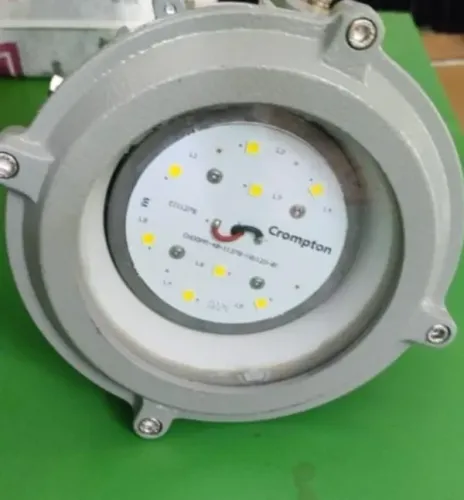
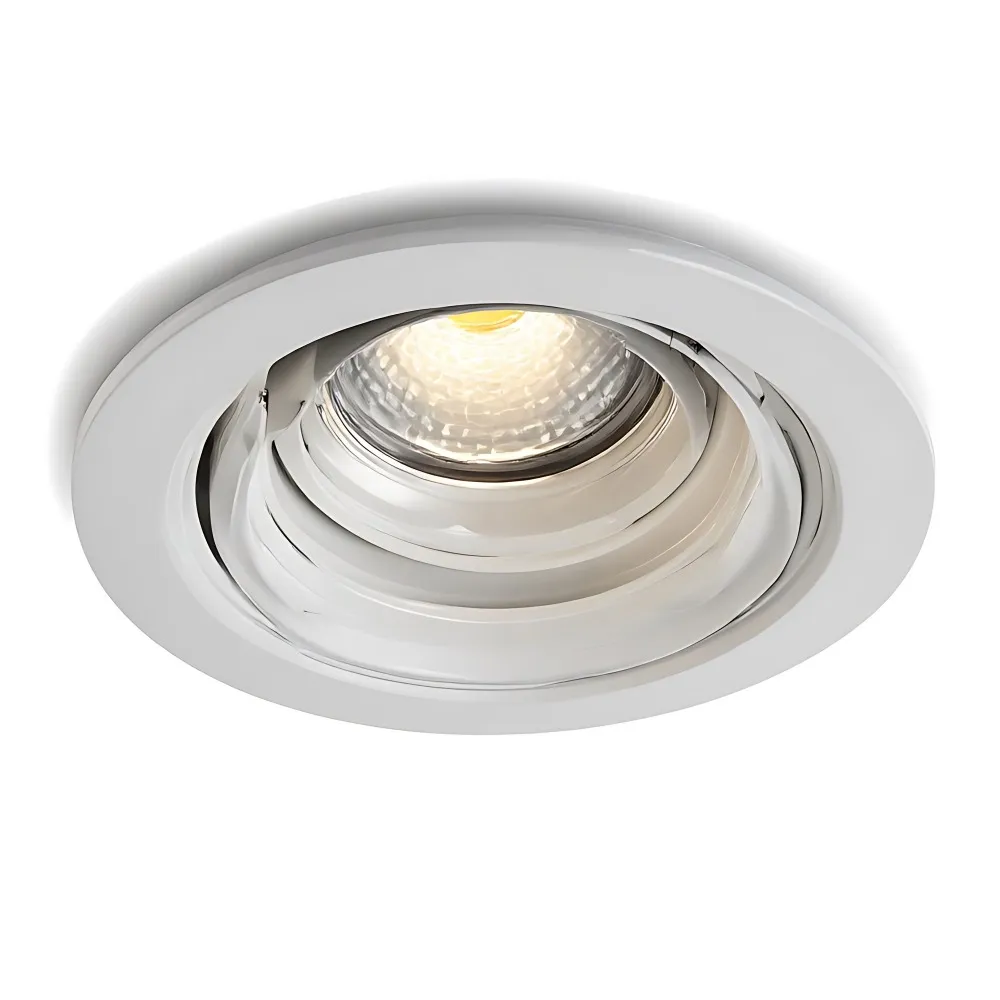
Upgrading an existing lighting system does not always require removing every fixture. LED Retrofit Lights in Madipakkam can allow homes, offices, shops, apartment common areas, and selected industrial spaces to retain usable housings while replacing inefficient internal lighting components.
Retrofitting can reduce project cost, installation time, and material waste. However, it is only appropriate when the existing fixture is structurally and electrically suitable.
What an LED Retrofit Involves
A retrofit modifies an existing luminaire to use LED technology. Depending on the fixture and approved product, the upgrade may involve an LED lamp, module, driver, gear tray, or purpose-designed retrofit kit.
This differs from a complete replacement, in which the entire existing fixture is removed and a new LED luminaire is installed.
A retrofit may be considered for:
- Recessed downlights
- Tube-light fittings
- Decorative fixtures
- Street or area lights
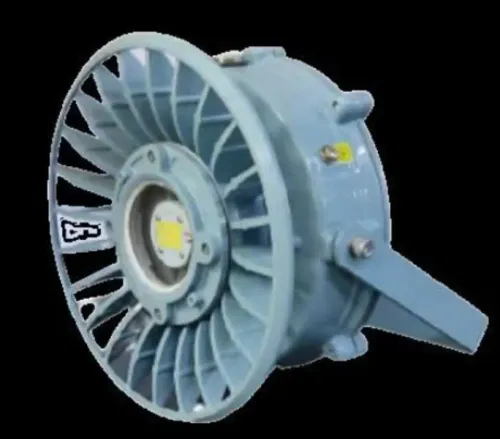
- Selected industrial luminaires
- Commercial ceiling fixtures
- Exterior housings in serviceable condition
Each application requires a compatible and safely installed solution.
Inspect the Existing Fixture
The housing should be checked for corrosion, heat damage, cracked insulation, loose connections, damaged holders, poor earthing, and deteriorated seals.
Retrofitting a failing enclosure may create short-term savings but lead to repeated maintenance. Outdoor or dusty environments require particular attention because opening the fixture can affect its sealing performance.
The inspection should establish whether the housing can support the retrofit components and dissipate heat correctly.
Compare Retrofit and Replacement
Retrofitting may be preferable when:
- Existing housings are in good condition
- The visual design needs to be retained
- Installation disruption must be limited
- Compatible retrofit components are available
- The required light distribution can be achieved
Complete replacement may be better when:
- Fixtures are damaged or corroded
- Wiring is unsafe
- Optics are unsuitable
- Seals have failed
- Replacement parts are unavailable
- The layout itself needs redesigning
The decision should consider lifecycle cost rather than initial material cost alone.
Verify Light Output and Distribution
A new LED source may produce light differently from the lamp it replaces. An enclosure or reflector designed for another technology may not distribute LED light effectively.
Before applying the same retrofit across a property, test a sample installation. Check brightness, glare, beam pattern, colour temperature, flicker, and appearance.
For commercial workspaces, verify illumination at the actual task surface rather than judging the fixture while looking upwards.
Review Electrical Compatibility
LED drivers and lamps must be compatible with the existing supply and control system. Dimmers, electronic ballasts, emergency circuits, sensors, and automation devices can affect operation.
Some retrofits require bypassing or removing old control gear. This work should be completed by a qualified technician according to product instructions. Unused components should not remain connected without a defined purpose.
Surge protection may be necessary where supply disturbances are a concern.
Calculate the Business Case
A realistic calculation includes:
- Retrofit product cost
- Labour
- Electrical modifications
- Energy savings
- Maintenance savings
- Expected operating life
- Warranty
- Future component availability
Retrofitting large quantities of frequently used lights can provide worthwhile savings, but low-use fixtures may take longer to recover the investment.
Shine Agencies can help buyers compare retrofit products with complete LED replacements according to fixture condition and application. For Madipakkam properties in Chennai, the right choice is the one that delivers safe installation, suitable illumination, accessible maintenance, and verifiable savings not simply the option with the lowest immediate cost.
Keywords