High electricity bills are not always caused by one inefficient appliance. They often result from several smaller problems operating together, such as outdated lights, unnecessary operating hours, poorly maintained cooling equipment, oversized motors, and unmanaged standby loads. Effective Energy Saving Solutions in Alandur identify these losses before recommending replacements.
For homes, offices, retail units, apartment buildings, and small industrial properties, the first priority should be determining whether consumption is appropriate for the property’s occupancy and activity.
Problem One, Lights Operate in Empty Areas
Corridors, parking spaces, washrooms, staircases, store rooms, and exterior zones may remain illuminated even when they are not in use.
Possible solutions include:
- Occupancy sensors
- Timers
- Daylight-responsive controls
- Zonal switching
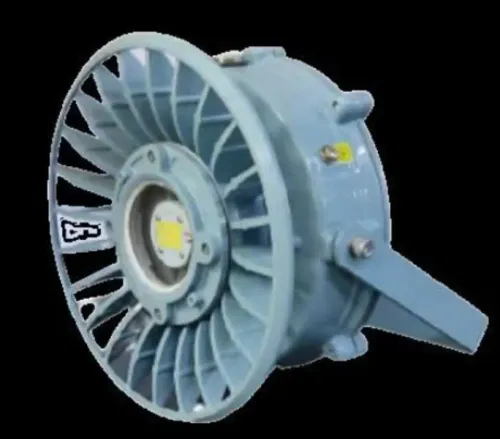
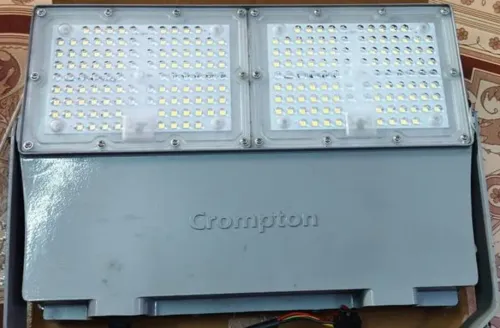
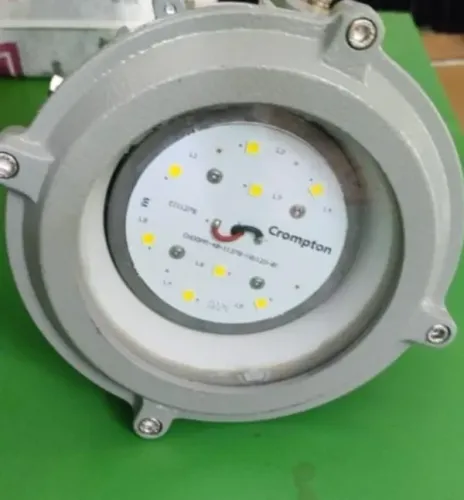
- LED fixture upgrades
- Clear operating schedules
Controls should be selected for the space. A motion sensor that switches off too quickly can create inconvenience or safety concerns.
Problem Two, Inefficient Lighting Layouts
Replacing every old lamp with an LED of similar wattage may not produce the best outcome. Poor fixture positioning can require additional lights while still leaving work surfaces inadequately illuminated.
A lighting review should consider the lux requirement, mounting height, beam angle, surface colours, glare, and natural daylight. Redesigning the layout may allow a property to use fewer fixtures while improving visibility.
Problem Three, Cooling Systems Work Harder Than Necessary
Dirty filters, blocked airflow, direct heat gain, open doors, and unsuitable thermostat settings can increase air-conditioning demand.
Practical measures may include:
- Regular equipment servicing
- Cleaning filters and coils
- Sealing unnecessary air leakage
- Using suitable blinds or shading
- Improving roof insulation
- Zoning occupied areas
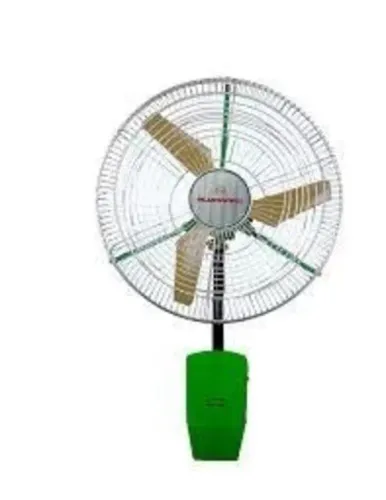
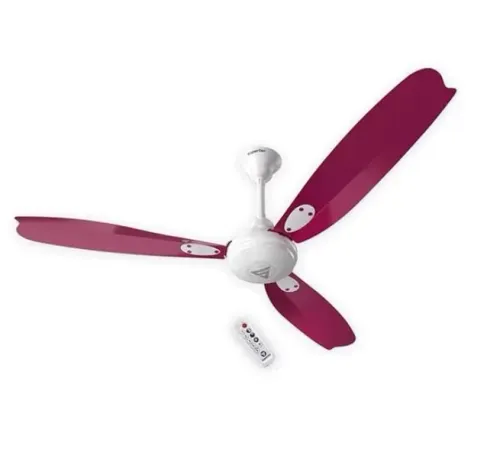
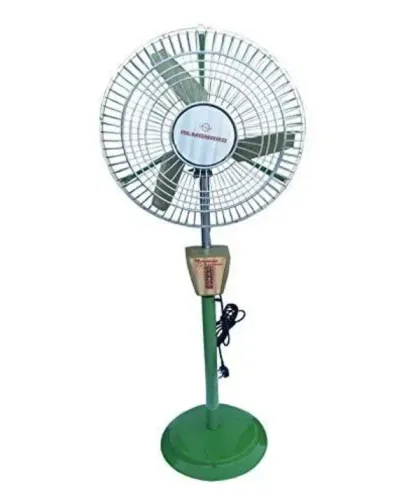
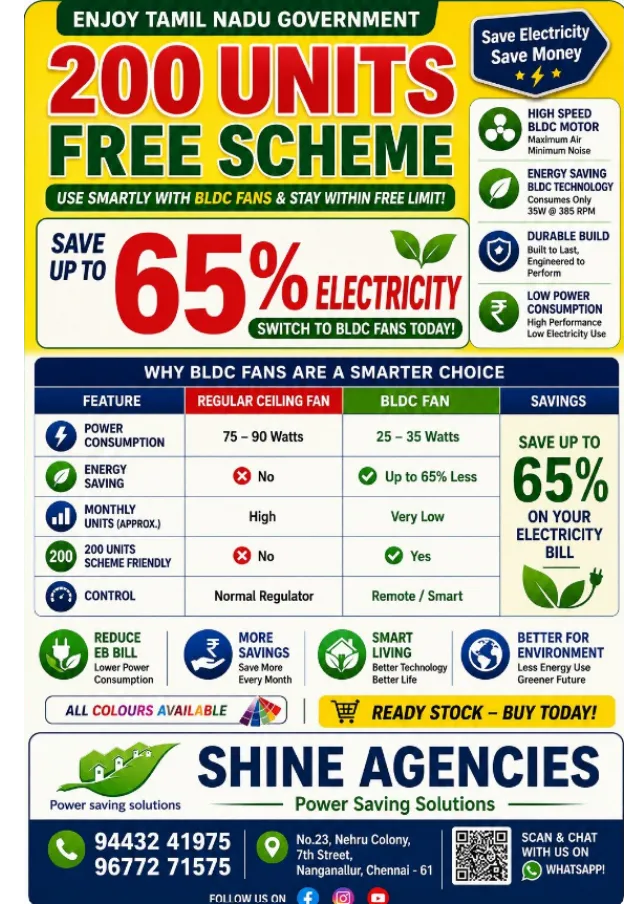
- Supporting circulation with efficient fans
These measures should be adapted to the building rather than applied as a generic checklist.
Problem Four, Old Motors and Pumps Consume Excess Power
Water pumps, ventilation systems, workshop machinery, and process motors can become significant loads. Problems may arise from poor maintenance, incorrect sizing, low power factor, worn components, or continuous operation.
An electrician or qualified energy professional should inspect the system before changes are made. Replacing a motor without correcting an underlying mechanical issue may not solve the problem.
Problem Five, Standby Loads Remain Unnoticed
Printers, chargers, display systems, entertainment equipment, office electronics, and other devices may continue drawing power when they are not actively used.
Smart plugs, controlled power strips, shutdown routines, and equipment settings can reduce avoidable standby consumption. Critical systems should not be disconnected without understanding their operational requirements.
Measure Before Comparing Results
Alandur properties may experience seasonal variations due to Chennai’s climate. Electricity bills from different months cannot always be compared directly.
Useful measurements include:
- Total monthly units
- Operating days
- Occupancy levels
- Cooling hours
- Production or business activity
- Maximum demand
- Equipment-level consumption
Submetering may be helpful in commercial or multi-use properties because it separates major loads and makes abnormal consumption easier to identify.
Prioritise Measures by Impact
Not every improvement needs to be implemented at once. A practical sequence is to begin with low-cost operational changes, followed by efficient lighting and controls, equipment upgrades, and renewable generation where feasible.
Shine Agencies assists customers in examining energy-saving products for different property types. In Alandur, Chennai, the strongest results usually come from correcting operating waste, upgrading suitable equipment, and monitoring performance after installation. This evidence-based approach allows owners to direct their budget towards measures that create genuine, repeatable savings.
Keywords